
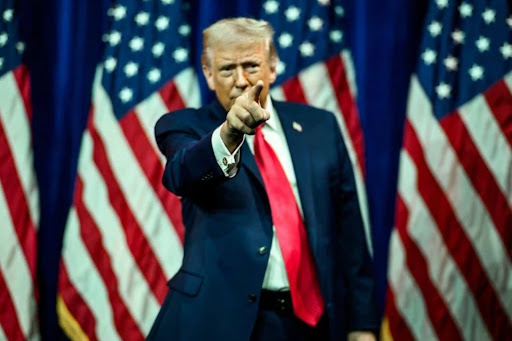
In a characteristically sharp social media post, President Donald Trump labeled Iranian negotiators as “strange” for their conflicting public and private stances. Trump alleged that while Tehran’s representatives are pleading for a deal behind closed doors, they are publicly lying by claiming they are only “looking at” the U.S. proposal. The President emphasized that Iran is in no position to stall, given that its military assets have been “decimated” by recent strikes.
The conflict was triggered by a series of regional escalations that drew the U.S. into direct military action against Iranian interests. The Trump administration’s 15-point framework seeks a total reset of regional security, including the rollback of Iran’s nuclear program and the dismantling of its missile capabilities. Washington has made the reopening of the Strait of Hormuz a non-negotiable pillar of any potential ceasefire agreement.
Iran’s counter-proposal emphasizes national dignity, demanding reparations for the destruction of its infrastructure and a cessation of all targeted strikes against its leadership. Tehran has also asserted its “legal right” to sovereignty over the Strait of Hormuz, a claim the U.S. has flatly rejected. This diplomatic impasse has resulted in a volatile standoff, with both nations hardening their positions as military operations continue.
The regional fallout has been catastrophic, with over 2,600 people killed in Iran and Lebanon and at least 13 American lives lost in the fighting. Strategic sites across the Gulf have suffered damage from missile attacks, highlighting the wide-reaching impact of the war. Meanwhile, global energy markets have seen major fluctuations as investors weigh the potential for a total energy grid shutdown in Iran.
As the diplomatic window remains open, Trump has signaled that the U.S. is giving negotiations a final chance to succeed. He warned that if Tehran does not “get serious” soon, the consequences will be severe and permanent. The world remains in a state of high tension as diplomatic efforts in the region reach a critical juncture.