
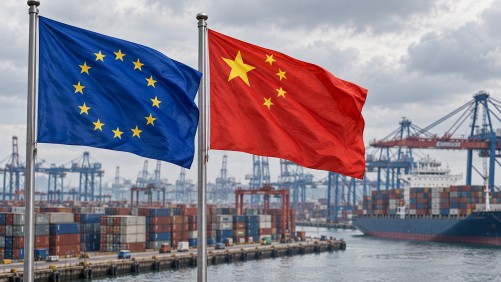
The European Union’s proposal of a new trade instrument, similar to the United States’ Section 301, has sparked criticism and concern, particularly from China. Experts suggest that this initiative may serve primarily as a negotiating tool rather than indicating a significant shift in the EU’s trade policy towards China.
China’s Ministry of Commerce has expressed strong opposition to the proposal, cautioning that unilateral trade restrictions could exacerbate economic tensions, disrupt trade between China and the EU, and impact global supply chains. The ministry emphasized the importance of adhering to international trade rules and resolving differences through dialogue and consultation. It warned that any additional pressure on Chinese companies or products might harm bilateral economic and trade relations.
Currently, China and the EU are engaged in discussions through existing trade and investment frameworks to address their respective concerns. Beijing has highlighted that introducing discriminatory restrictions amid ongoing negotiations could erode mutual trust and complicate further consultations.
Experts have noted that the EU’s proposed trade instrument reflects an attempt to gain greater leverage in its trade dialogues with China. However, they caution that broad restrictions could provoke retaliatory measures and introduce further economic risks for both parties.
In response to these developments, China has indicated its intent to closely monitor the situation and take necessary measures to protect its domestic industries if discriminatory restrictions are imposed on Chinese businesses or products.