
The scale of Iran’s military operations over the weekend was staggering. Iranian forces fired ballistic missiles at Israel, launched drone and missile strikes against five Gulf nations, struck US forces in Saudi Arabia, and threatened to push global oil to $200 per barrel — all while defending their own burning oil facilities from Israeli airstrikes. Crude prices crossed $100 per barrel as markets tried to process the implications of a nation fighting a war on six fronts simultaneously.
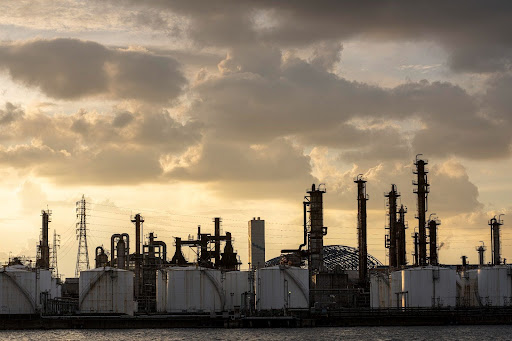
Israeli strikes on oil storage and fuel distribution facilities near Tehran killed four workers and left the capital blanketed in black smoke. Iran’s Revolutionary Guards responded with threats of $200 crude and a coordinated military campaign that stretched from Tel Aviv to Kuwait City, demonstrating a capacity for simultaneous multi-theater operations that surprised even seasoned analysts.
Saudi forces intercepted 15 drones, Bahrain’s desalination plant was damaged, two Saudi civilians were killed, and a US service member died from wounds sustained in an Iranian attack — the seventh American killed. Reports of Russian intelligence assistance to Iran suggested that the country’s military capability may have been augmented by outside support.
Iran’s clerical body appointed Mojtaba Khamenei as supreme leader in a historic first, selecting the son of the late leader in a move that critics called the birth of a dynasty within the Islamic Republic. The new leader inherited a nation at war on an unprecedented scale.
Washington pledged not to target Iranian oil infrastructure and predicted brief market disruptions. But a nation willing and able to fight simultaneously on six fronts, while threatening the global oil supply and appointing a new hereditary leader, was not a nation that was running out of options — and markets understood that perfectly.