
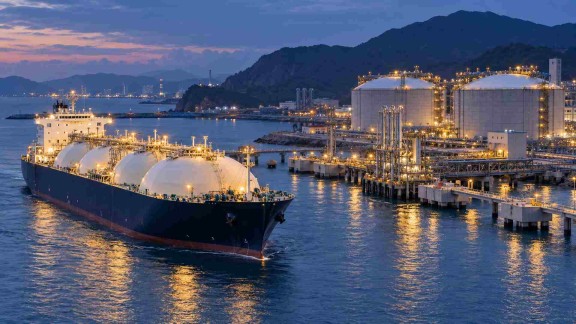
Taiwan is set to significantly increase its imports of liquefied natural gas (LNG) from the United States, with expectations that over 20% of its total LNG supplies will come from the U.S. this year, up from 10% last year. This increase is part of Taiwan’s broader strategy to diversify its energy sources and improve energy security.
By 2029, Taiwan anticipates that U.S. LNG will constitute 25% of its imports, and negotiations are underway for securing additional supplies from an LNG project in Alaska. According to Kung Ming-hsin, Taiwan’s Minister of Economic Affairs, this could potentially raise the U.S. share to 30% or more by 2032, contingent on the project’s progress.
The state-owned CPC Corp, Taiwan, is considering investing up to $4.4 billion in the Alaska project, with plans to purchase around six million tonnes of LNG annually once production kicks off. However, the specifics of the investment, including the final amount, ownership stake, and contract terms, are still under negotiation.
This move aligns with Taiwan’s projected increase in natural gas demand, driven by plans to introduce 25 large gas-fired power units by 2035. Such an expansion necessitates securing reliable long-term energy supplies. Long-term contracts for LNG, as highlighted by Kung, are seen as a way to mitigate price volatility and ensure consistent supply.
The geographical proximity of Alaska to Taiwan, with an estimated shipping time of approximately 10 days, could also offer logistical advantages by reducing transportation time and associated risks. The funding for this investment will depend on the final structure and timeline of the project, with potential sources including capital injections, retained earnings, and loans. Payments would be made in stages as the project advances.
In addition to bolstering energy security, increasing LNG imports from the U.S. could also help to address Taiwan’s growing trade surplus with the country, providing a balanced economic relationship.