
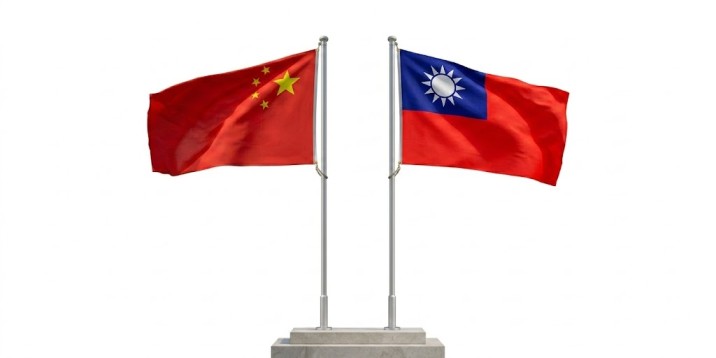
The United States is poised to implement retroactive tariff relief for Taiwan’s non-semiconductor products, as announced by Taiwan’s Executive Yuan. This development comes after two months of negotiations between Taipei and Washington, undertaken within the framework of a bilateral investment memorandum of understanding. The preferential tariff treatment is set to commence on May 1.
Under the proposed measures, tariffs on products such as auto parts, logs, lumber, and wood derivatives will be capped at 15 percent. Additionally, steel, aluminum, and copper derivative products used in aircraft components will receive exemptions from Section 232 tariffs. Taiwanese officials have stated that these concessions are expected to boost the international competitiveness of local industries and broaden their access to the U.S. market.
Earlier this year, an agreement was signed that outlines three primary tariff arrangements. These include a 15 percent reciprocal tariff rate for Taiwan that excludes additional most-favored nation charges, preferential treatment for semiconductor-related products, and enhanced conditions for non-semiconductor goods already subject to Section 232 tariffs.
It is important to note that the U.S. has not imposed Section 232 tariffs on Taiwanese semiconductor exports and related products. Meanwhile, Taipei is continuing discussions with the U.S. Department of Commerce to expedite the implementation of the new concessions for the non-semiconductor sectors.