
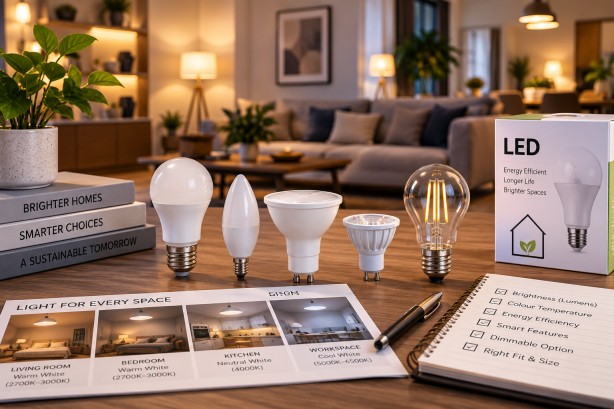
LED bulbs have gained immense popularity in both residential and office settings due to their energy efficiency and durability. As manufacturers broaden their offerings, consumers now have a plethora of options in terms of brightness, color temperature, shape, connectivity, and efficiency. However, selecting the right LED bulb involves more than just looking at the price or brand. It is crucial to consider factors such as the room, fixture, desired brightness, and type of lighting required for the best choice.
When choosing an LED bulb, brightness, measured in lumens, is a key specification. Unlike traditional bulbs where wattage was a rough indicator of brightness, LED bulbs require comparison based on lumen output. A bulb with an output of 800 to 1,000 lumens might suit many general uses, but the ideal brightness varies depending on the room size and the type of lighting—be it ambient, task, or accent lighting. Compatibility with the fixture and maximum rated wattage must also be assessed.
Color temperature, measured in Kelvin, dictates the warmth or coolness of the light from an LED bulb. Bulbs with a color temperature between 2700K and 3000K emit warm, cozy light, which is ideal for spaces like bedrooms and living rooms. In contrast, cooler lighting between 4000K and 5000K is better suited for kitchens, offices, and other areas needing clear task illumination. Mixing different temperatures can enhance various areas in a home; for instance, warm lights in living areas and cooler lights for focused tasks at a desk.
Energy efficiency is a significant factor driving consumers towards LED bulbs, as they use considerably less electricity compared to incandescent bulbs and generate less heat. The real savings depend on factors such as wattage, daily usage, electricity costs, and the type of lighting being replaced. Therefore, consumers should examine the bulb’s rated wattage and expected lifespan instead of relying solely on general claims of energy savings. The lifespan and build quality of LEDs typically surpass incandescent bulbs, but factors like heat management and usage patterns can influence longevity. Buyers should check the rated lifespan and ensure the bulb is approved for enclosed fixtures if needed.
When selecting LED bulbs, it’s important to consider light quality and flicker, as these affect comfort, especially in spaces where people spend a lot of time. Specifications such as color rendering and flicker performance should be reviewed, particularly for areas requiring precise color perception. Smart LED bulbs offer additional features like app control and voice commands through Wi-Fi or Bluetooth connectivity, though these can increase costs. Compatibility with existing smart-home systems should be verified before purchase. Ultimately, the best LED bulb matches the intended application, providing the desired brightness, appearance, and reliability without unnecessary features or expenses.
Legal Disclaimer:
The information contained in this article has been provided by independent third-party contributors, clients, or content partners. We do not independently verify the accuracy, completeness, legality, ownership, licensing, or reliability of submitted content, including text, images, videos, trademarks, or other media materials. The submitting party is solely responsible for ensuring that all content, including images and media assets, complies with applicable copyright, trademark, licensing, and intellectual property laws. We disclaim liability for any unauthorized use of copyrighted or proprietary materials by third parties. If you believe that any content published on this platform infringes your intellectual property rights, kindly contact the author above for prompt review and resolution.