
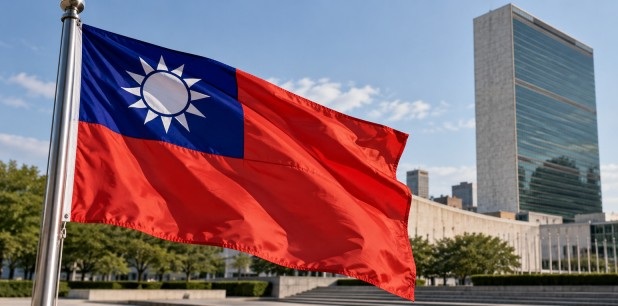
Taiwan’s foreign ministry has asserted that United Nations Resolution 2758 does not classify Taiwan as part of China and should not be used as a basis to exclude Taiwan from participating in international organizations. The ministry emphasized that Taiwan and China are not under each other’s jurisdiction and highlighted that Taiwan’s democratically elected government is the legitimate representative of its people in global affairs.
The statement comes amid accusations from Taiwan that Beijing is increasingly interpreting Resolution 2758 to bolster its stance regarding Taiwan’s international status. Such interpretations, Taiwan argues, could hinder its engagement in international organizations and regional matters. Taiwan’s government maintains that historical agreements post-World War II did not result in the transfer of Taiwan’s sovereignty to the People’s Republic of China, noting also that Beijing has never governed the island.
Amid these concerns, Taiwan is appealing to the international community to uphold what it describes as a rules-based international order and is urging the United Nations to adopt a neutral stance concerning Taiwan’s participation in global affairs. The ministry’s remarks reflect ongoing tensions between Taiwan and China over sovereignty and international recognition.
Resolution 2758, passed in 1971, recognized the People’s Republic of China as the only legitimate representative of China in the UN, effectively replacing the Republic of China (Taiwan) in the organization. However, Taiwan argues that this resolution does not explicitly address its own status or its ability to participate independently in international forums.
As Taiwan seeks broader international support, its government continues to advocate for its inclusion in global organizations, emphasizing its commitment to democratic values and international cooperation. The call for neutrality from the UN underscores Taiwan’s strategic efforts to counteract Beijing’s diplomatic influence while striving for a greater role in international institutions.