
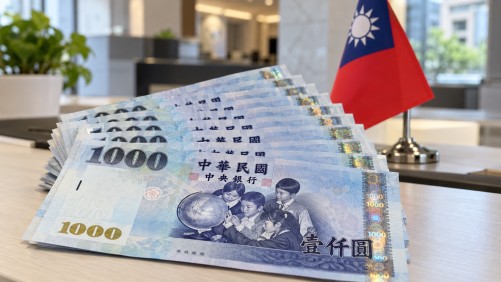
Taiwan is set to implement a one-time cash payment initiative, distributing NT$10,000 (around US$315) to eligible residents, contingent upon legislative approval of the 2027 central government budget. The first disbursements could occur as early as January 26, 2027, if the budget is passed by January 5 and promulgated by the president by January 20.
The Taiwanese Cabinet has earmarked NT$235.7 billion for this initiative in the proposed budget, aiming to share the economic gains from the artificial intelligence sector’s growth. The government emphasizes that the plan will adhere to fiscal discipline and existing legal frameworks, negating the need for additional borrowing.
Eligibility for the payment extends to Taiwanese citizens with household registration, foreign nationals with permanent residency, and certain residents with valid residence permits. Also included are eligible spouses of Taiwanese citizens from China, Hong Kong, Macau, and other countries, as well as Taiwanese government employees abroad and their dependents.
The distribution process offers five options: bank-account registration, ATM withdrawals, post office withdrawals, direct deposits, and roster-based payments. Seventeen financial institutions are slated to participate in the ATM withdrawal network. Following potential approval, pre-registration could start on January 20, with bank deposit registration commencing on January 25.
If all conditions are met, initial payments via pre-registration, direct deposits, and roster-based methods may begin on January 26. ATM withdrawals are anticipated to be available from February 15, 2027, and post office withdrawals from February 22.
The deadline for claiming the payment is set for August 31, 2027, with an extension for eligible newborns born by the end of 2027 to claim until January 31, 2028. As Taiwan gears up for this ambitious financial distribution, the initiative awaits the final nod from the legislature to proceed as planned.