
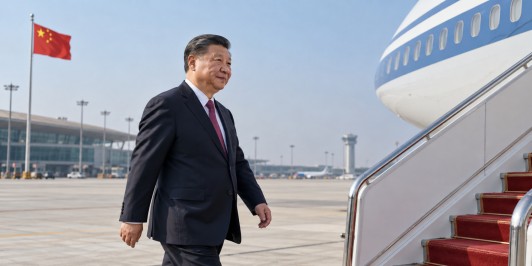
The diplomatic landscape between the United States and China is poised for potential shifts as Chinese President Xi Jinping arrives in the U.S. to engage in crucial discussions with President Donald Trump. This high-profile visit underscores the ongoing negotiations between two of the world’s largest economies, focusing on trade, economic relations, and various bilateral concerns that have significant global implications.
Accompanied by his wife, Peng Liyuan, President Xi’s delegation includes key figures such as Cai Qi, a senior member of the Political Bureau Standing Committee of the Communist Party of China, and Wang Yi, China’s foreign minister. Their presence highlights the importance Beijing places on this dialogue amid tensions that have affected international markets and diplomatic relations.
The visit marks a critical juncture as both nations seek to navigate complex issues that have recently strained their bilateral ties. Observers worldwide are keenly watching for any breakthroughs that could ease the friction stemming from trade imbalances, tariffs, and other economic policies that have sparked controversy and uncertainty.
This meeting, hosted at the behest of President Trump, is an opportunity for both leaders to bridge differences and find common ground. While the specifics of the agenda remain closely guarded, topics likely to dominate discussions include trade agreements, security concerns, and measures to foster mutual economic growth. These talks could lead to agreements that not only impact the two countries but also have ripple effects across the global economy.
As the world looks on, the outcomes of these high-level discussions could redefine the future of U.S.-China relations, offering a pathway to greater cooperation or further contention. The stakes are high, and both sides appear committed to resolving key issues that have remained contentious in recent years.