
The images from Bahrain were stark: a desalination plant sustaining material damage from Iranian strikes on the same day that Iran’s Assembly of Experts was confirming a new supreme leader in Tehran. The juxtaposition of the political transition and the continuing humanitarian consequences of the conflict captured the dual reality of Mojtaba Khamenei’s ascension to power — a moment of institutional consolidation accompanied by the expanding human cost of the war being waged in Iran’s name.
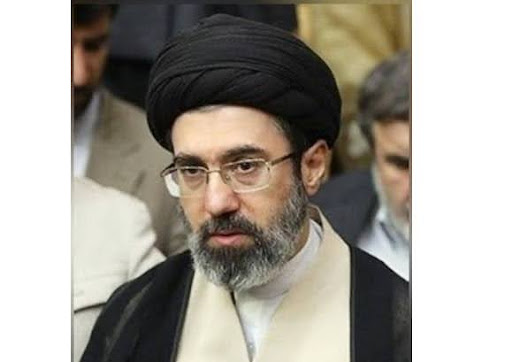
Mojtaba Khamenei, 56, was named supreme leader by the Assembly of Experts following a decisive vote on Sunday. He succeeds his father, the late Ayatollah Ali Khamenei, who was killed in a joint US-Israeli strike on Tehran on February 28. The new leader is a conservative cleric with deep ties to the IRGC and no formal governing experience, representing ideological continuity with his father’s vision of the Islamic Republic.
Iran’s domestic institutions endorsed the appointment with notable speed. The IRGC, armed forces, parliament, and security officials all pledged loyalty within hours. Ali Larijani praised Mojtaba’s capabilities. Yemen’s Houthis congratulated him enthusiastically. State media broadcast the full picture of institutional support alongside footage of missiles inscribed with the new leader’s name. The regime presented the transition as a moment of strength rather than vulnerability.
The strikes against Bahrain’s desalination plant were part of a broader series of Iranian attacks against five Gulf states on Sunday. Saudi Arabia intercepted 15 drones but still suffered civilian casualties in the residential area of Al-Kharj — two people killed and twelve injured. The IRGC warned that oil could exceed $200 per barrel if Israeli strikes on Iranian energy facilities continued. Israel launched fresh strikes on Iranian infrastructure on Monday. The United States pledged not to target Iranian energy sites.
The damage to Bahrain’s water supply infrastructure adds a humanitarian dimension to the conflict that is difficult to ignore. Desalination is critical for island nations like Bahrain, where freshwater resources are limited. Targeting such infrastructure — intentionally or not — risks consequences for civilian populations that extend well beyond the immediate military and political stakes of the conflict. For Mojtaba Khamenei, managing both the military prosecution of the war and its humanitarian consequences will be among the earliest and most consequential tests of his leadership.