
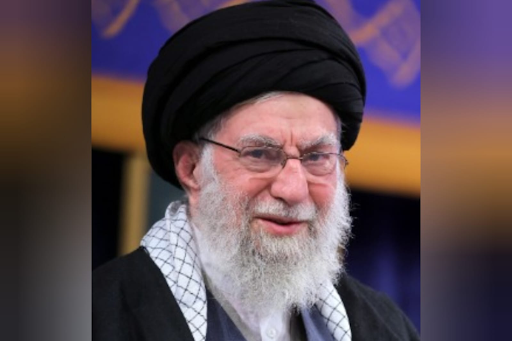
Iran sits atop some of the world’s largest oil and natural gas reserves, and while its ability to export those resources has been severely constrained by decades of sanctions, its production capacity and regional infrastructure give it significant potential influence over global energy markets. The current crisis — combining the death of the Supreme Leader, active conflict, and political uncertainty — has immediate and potentially significant implications for energy markets worldwide.
The Persian Gulf, through which a substantial portion of the world’s oil trade passes, is an active conflict zone. Any significant disruption to shipping lanes or regional oil infrastructure would have immediate and severe consequences for global energy prices. Energy markets have already reacted with significant volatility to the escalating conflict.
Iran’s own oil production, largely sold to China in recent years despite US sanctions, represents a smaller but meaningful piece of the global supply picture. Uncertainty about Iran’s post-Khamenei direction and the continuation of the conflict creates risks for that supply that oil market participants are pricing carefully.
The economic dimension of the crisis extends to Iran’s neighbors and trading partners. Countries in the region that depend on relatively stable relations with Iran — including Iraq, which imports Iranian electricity and has deep economic ties with Tehran — face disruption and uncertainty. The broader regional economic impact of prolonged conflict in the Persian Gulf could be substantial.
Any resolution of the current conflict that involved meaningful sanctions relief for Iran would add significant oil production capacity to global markets. That prospect has implications for oil-producing states in the Gulf and beyond, creating a complex web of interests around the question of how and when the conflict ends.