
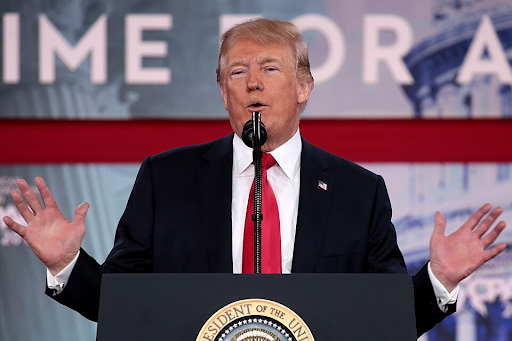
Global energy markets experienced a major shift on Tuesday after Donald Trump issued a series of statements aimed at calming investors. Brent crude prices fell significantly from their four-year highs as the President suggested the conflict with Iran might be coming to an end. This news followed a period of intense volatility that saw oil prices surge toward $120 per barrel due to supply fears.
The crisis has focused on the Strait of Hormuz, which handles 20% of the world’s seaborne oil and gas tankers. Iran’s Revolutionary Guards had threatened a total blockade on exports if US and Israeli military operations on their territory continued. This stance had effectively shut down the strait for a week, creating a massive supply bottleneck that threatened to disrupt the global economy and drive inflation higher.
In a move to increase supply, Trump announced that the US would waive some oil-related sanctions for various nations. This decision was made after discussions with the Russian President and reflects a pragmatic approach to the current global energy shortages. Trump stated that the goal was to ensure that oil prices do not rise further than they already have during this intense period of military conflict.
The high cost of energy has already forced many governments to take emergency steps to protect their domestic economies. In the Philippines, public officials have been told to cut back on travel and air conditioning, while South Korea and Croatia have implemented price caps on fuel. These measures highlight the global impact of the conflict and the desperate need for market stability and lower fuel costs.
While the President’s remarks have provided some relief, the situation in the Persian Gulf remains extremely fragile. Trump has warned Iran that any future attempts to stop the flow of oil will result in a military response twenty times harder than before. The international community is now waiting to see if a French-led maritime escort plan will be put into place to secure the shipping lanes permanently.