
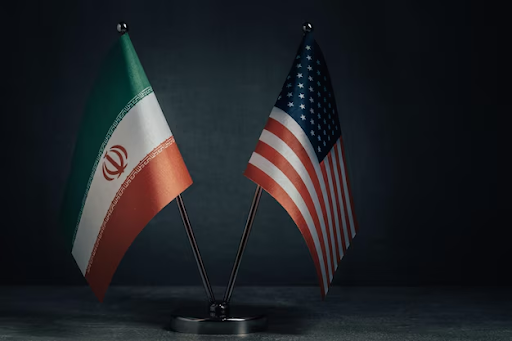
True détente between Iran and the United States remains a distant prospect, but Tuesday’s indirect nuclear talks in Geneva suggested it was perhaps a little less distant than before. The second round of negotiations, facilitated by Oman, ended with agreement on guiding principles and a clear procedural path forward — outcomes that, while modest, represent genuine diplomatic momentum in a relationship defined by decades of hostility.
Foreign Minister Araghchi described the session as more constructive than the opening round and confirmed that draft texts would be exchanged ahead of a third meeting in about two weeks. He was careful to manage expectations, noting that the two sides’ positions remained far apart and that a final agreement would require considerable further effort.
The nuclear issues at the heart of the talks were technically complex and politically charged. Iran offered to dilute its near-weapons-grade uranium stockpile and expand IAEA oversight — proposals framed as meaningful confidence-building steps. The US continued to demand a complete halt to domestic enrichment, which Iran refused, and the two sides also differed on the scope and duration of any temporary enrichment pause.
Iran’s broader diplomatic package — including a non-aggression pact and economic cooperation proposals — was also on the table, reflecting Tehran’s interest in using the nuclear talks as an entry point for a wider normalisation of its relationship with Washington. Whether the Trump administration saw merit in this broader framing remained unclear.
The day’s events encapsulated the contradictions of the moment: cautious diplomatic progress in Geneva alongside military threats in the Gulf, domestic repression inside Iran, and a US president simultaneously praising Iran’s negotiating posture and overseeing a naval buildup near its shores. Détente, if it comes, will have to survive an enormous amount of noise.