
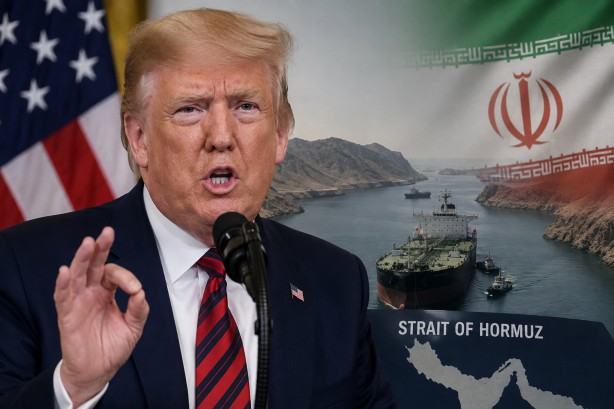
Iran has issued a stark warning to Gulf nations, indicating that any new military strike by the United States on Iranian soil would prompt retaliatory actions against vital energy infrastructures across the Gulf region. This message was conveyed by Iranian Foreign Minister Abbas Araqchi during discussions with senior officials from countries including Saudi Arabia, Qatar, Turkey, and Pakistan. Araqchi’s dialogues emphasized the need for these regional allies to dissuade the U.S. from further military interventions, highlighting the potential for significant regional repercussions.
The backdrop to Iran’s warning is the recent rhetoric from U.S. President Donald Trump, who has threatened to target Iran’s energy infrastructure. In response, Iranian officials have reiterated their preference for diplomacy as the primary course of action but have also underscored their readiness to retaliate if provoked. The discussions appear to underscore mutual concerns about escalating tensions and their potential impact on regional stability.
Saudi Arabia, in particular, has been advocating for a diplomatic approach, urging the U.S. to engage in negotiations rather than escalating military actions. At the same time, Saudi officials have made it clear that they intend to defend their territory against any form of aggression, illustrating the complex balance of deterrence and diplomacy in the region.
Iran’s warnings are reportedly comprehensive, suggesting possible targets that include oil facilities, refineries, power grids, water infrastructure, transport systems, and oil fields should another U.S. strike occur. Such measures would have significant implications not only for the Gulf’s energy supplies but also for broader global energy markets, raising the stakes for all parties involved.
As tensions continue to simmer, regional leaders remain committed to pursuing diplomatic channels to avert a broader conflict. The emphasis on dialogue reflects widespread apprehension about the potential for renewed hostilities to disrupt energy supplies and exacerbate instability in the Gulf, with far-reaching consequences for international markets.